Having an anxiety disorder is exhausting. It’s as if our mind is running a race it can’t win. Although, anxiety is life consuming we can learn valuable lessons from it. Through my journey to recover my mental health I have learned many things. Here are my top 10+ lessons:
1. Overthinking kills inner peace:
Those with anxiety understand silencing the mind isn’t as easy. Our brain is racing 24/7 making up scenarios in our mind that in most cases never happen. We spend loads of time worrying for nothing. It’s essential to distract the mind with healthy doses of relaxation and distraction.
2. Living in the past kills the present moment
Life is short and focusing on what went wrong won’t help you be present. It will also……
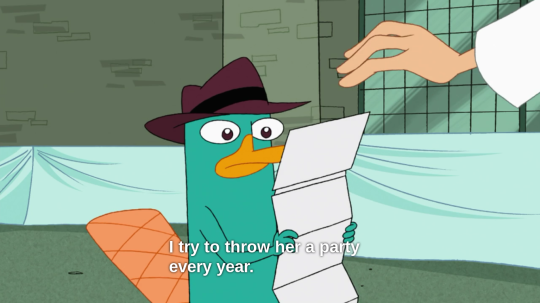
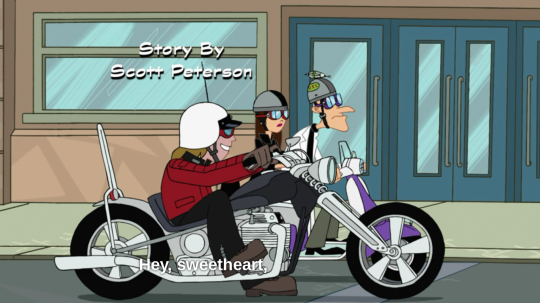
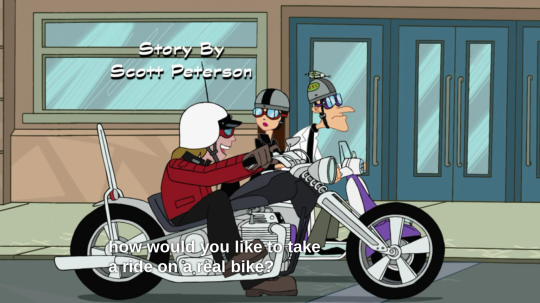
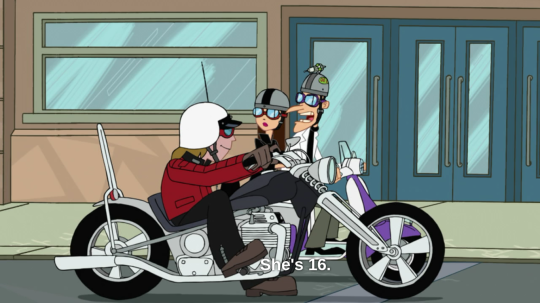
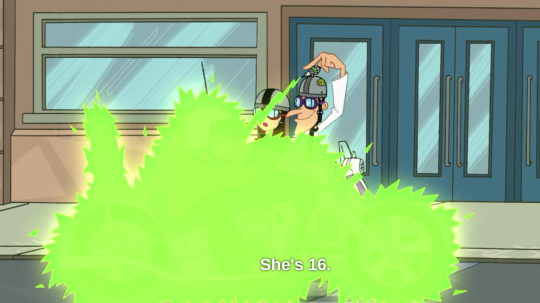
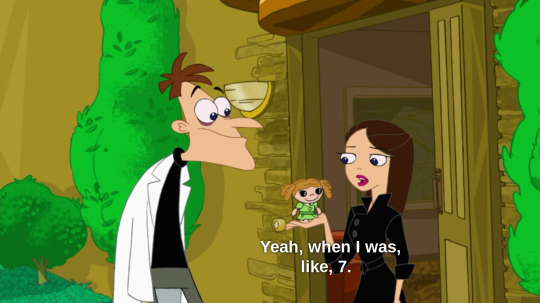
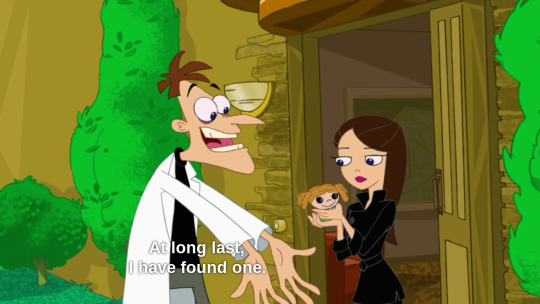
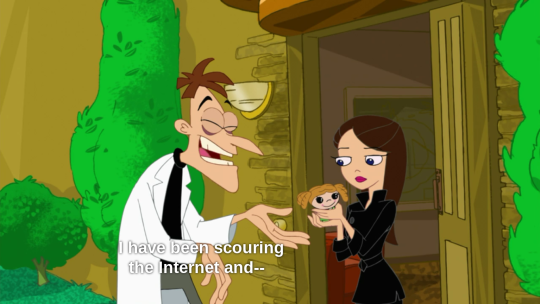
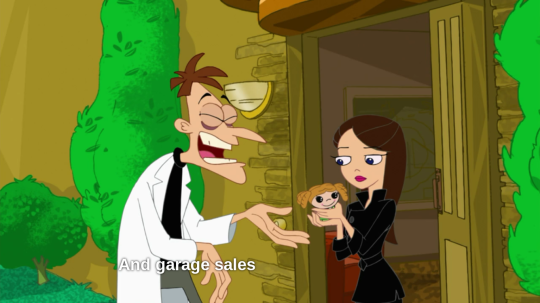
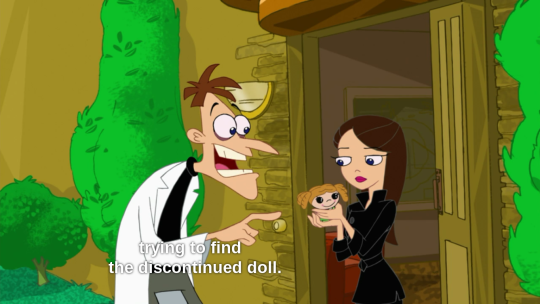
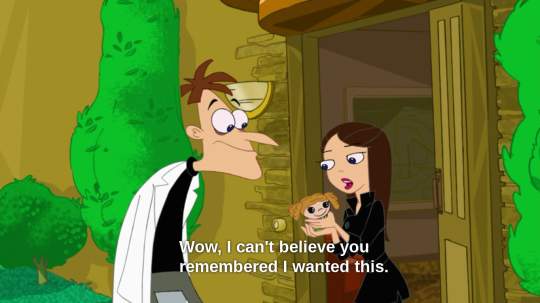
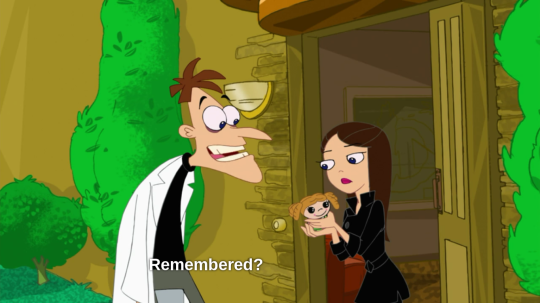
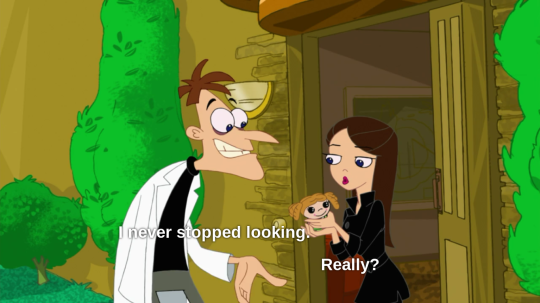
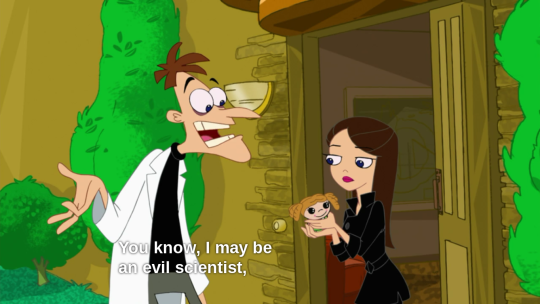
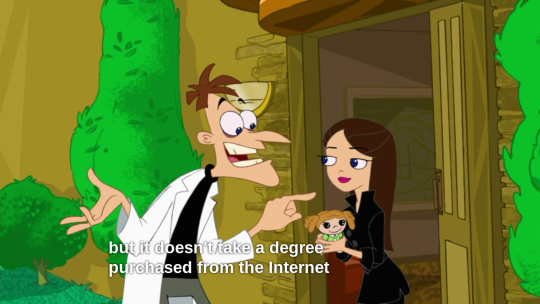
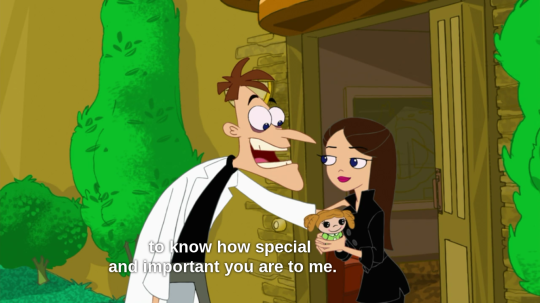
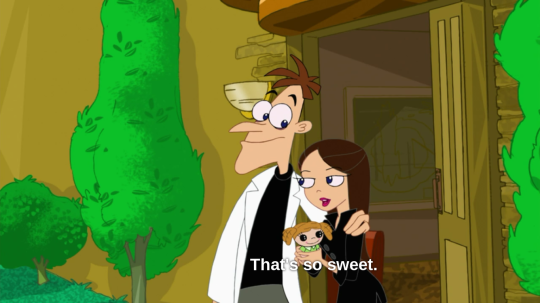
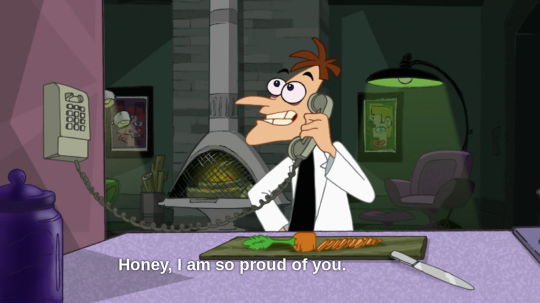
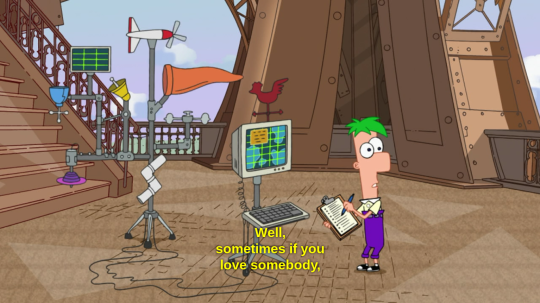
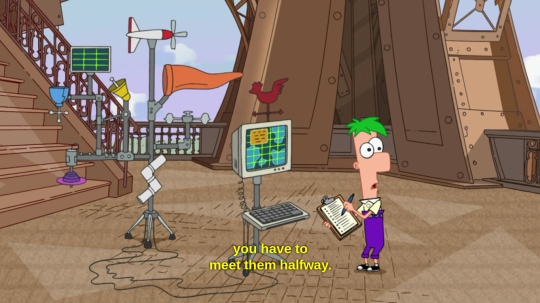
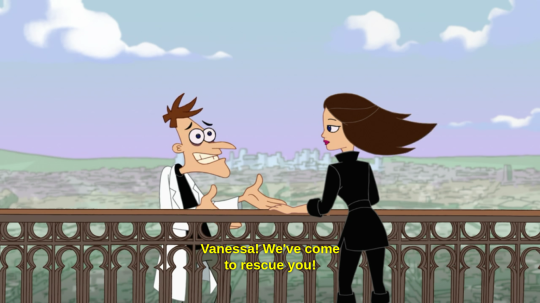
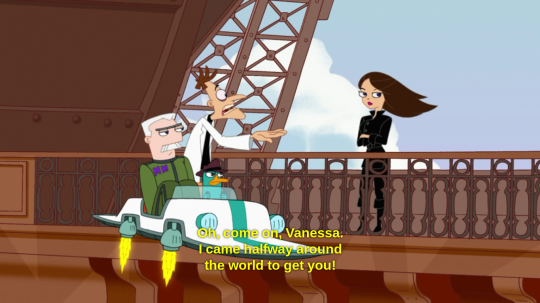
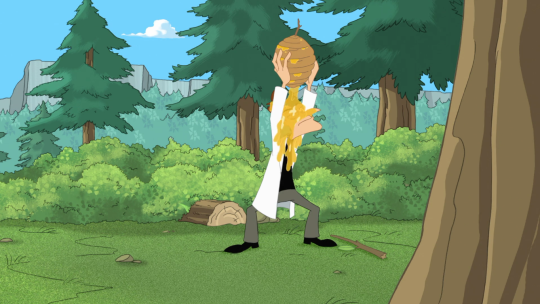
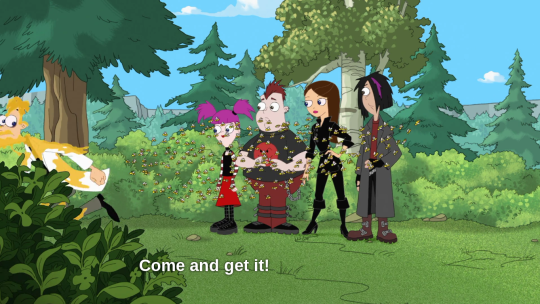
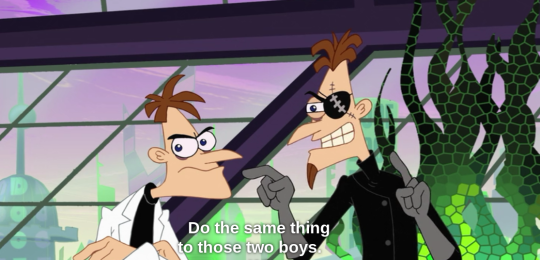
BONUS: Doofenshmirtz around children he literally just met who wrecked his ‘inator’.
Literally I could go on and on with examples but my computer’s starting to crash from the amount of images.
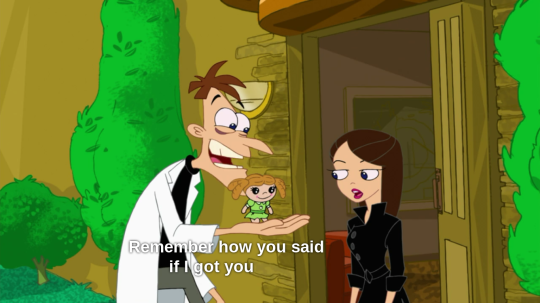
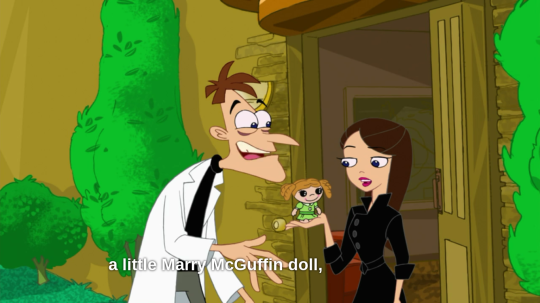
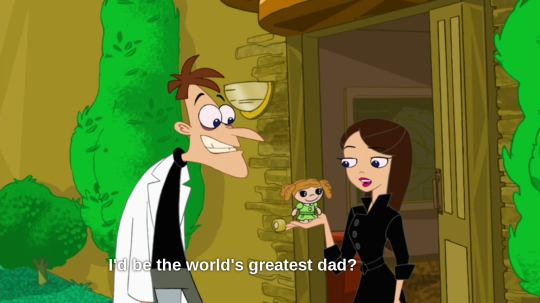
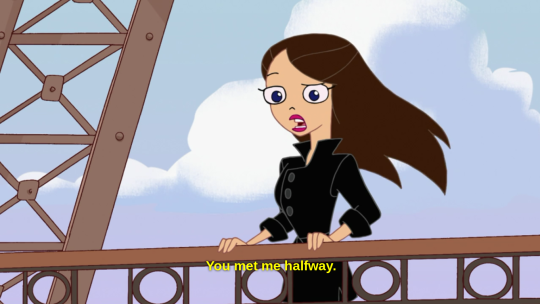
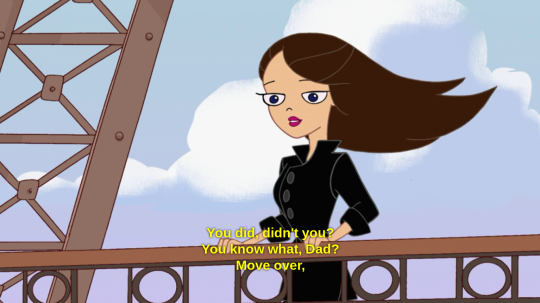
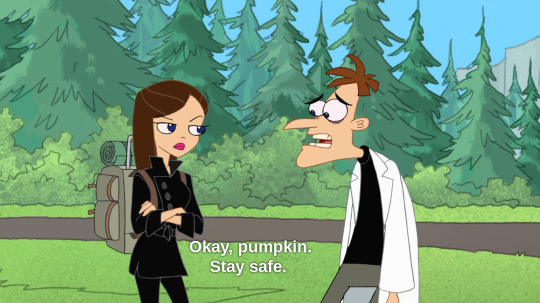
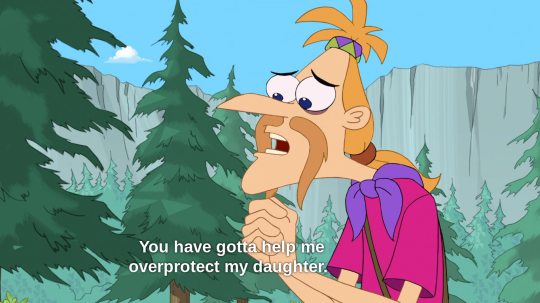
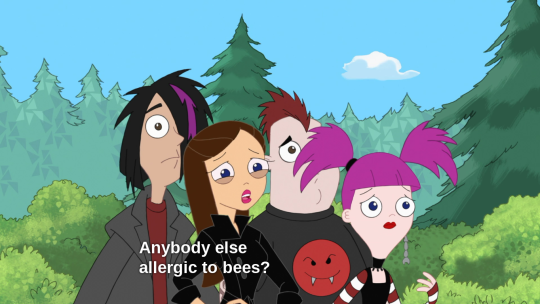
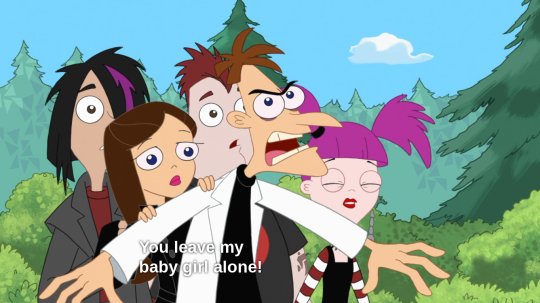
The point is that Heinz Doofenshmirtz is the greatest fictional father out there and anyone who says otherwise was hit by a Lie-inator.
Hey op?
BEST POST ON TUMBLR
And then you read the whole thing in his voice.
This. THIS is why I still watch “Phineas and Ferb” when I can. Dr. Heinz Doofenschmirtz had a lot of issues. Like, “if he got psychiatric treatment he probably singlehandedly covered the cost of a jet ski” issues. BUT! BUT! When it counted, he proved being a “bad guy” didn’t always mean being a horrible human being.
just remember they’re social animals and should always be kept in pairs, don’t get a roomba if you aren’t prepared for that responsibility
That’s a common misconception. Roombas do perfectly fine on their own if you spend quality time with them! They group together in the wild for protection, but when they have no natural predators in the area they often choose to live alone.
i didn’t know that! do you have any advice on roomba breeding and the problem with parent roombas’ tendency towards eating their young?
……..I’m nuking this entire hell planet from orbit.
all those ‘say no to drugs’ assemblies in school where WACK i never once had the pot head kids push the Devils Lettuce on me. they’d be like ‘hey u wanna smoke some of this here Blunt of Marajoouana?’ and i’d be like ‘no thanks i dont smoke’ and they’d be like ‘ok cool’ and never bother me about it again
drinkers? NO CHILL AT ALL. even into adulthood people act like i’ve slain their child when i say i am completely sober. like every single time i’ve said no to drinking some person is like ‘what about jello shots there’s barely any in it’ or they’ll leave me a solo cup of wine ‘in case you change your mind’ and when by the end of the night i haven’t had it they’re all ‘you didn’t want any?’ LIKE? YAH I SAID I DIDNT?
anti drug psa’s are fine but they gotta talk about drinking too bc never once did anyone i know who did drugs push me to do it too but everyone i tell i am sober tries to find a way to get me to drink like i said ‘i am sober but change my mind’ or smth
Because treating people fairly often means treating them differently.
This is something that I teach my students during the first week of school and they understand it. Eight year olds can understand this and all it costs is a box of band-aids.
I have each students pretend they got hurt and need a band-aid. Children love band-aids. I ask the first one where they are hurt. If he says his finger, I put the band-aid on his finger. Then I ask the second one where they are hurt. No matter what that child says, I put the band-aid on their finger exactly like the first child. I keep doing that through the whole class. No matter where they say their pretend injury is, I do the same thing I did with the first one.
After they all have band-aids in the same spot, I ask if that actually helped any of them other than the first child. I say, “Well, I helped all of you the same! You all have one band-aid!” And they’ll try to get me to understand that they were hurt somewhere else. I act like I’m just now understanding it. Then I explain, “There might be moments this year where some of you get different things because you need them differently, just like you needed a band-aid in a different spot.”
If at any time any of my students ask why one student has a different assignment, or gets taken out of the class for a subject, or gets another teacher to come in and help them throughout the year, I remind my students of the band-aids they got at the start of the school year and they stop complaining. That’s why eight year olds can understand equity.
An eighth grade student from Weaverville Elementary School got a detention slip for sharing his school prepared lunch Tuesday.
Kyle Bradford, 13, shared his chicken burrito with a friend who didn’t like the cheese sandwich he was given by the cafeteria.
Bradford didn’t see any problem with sharing his food.
“It seemed like he couldn’t get a normal lunch so I just wanted to give mine to him because I wasn’t really that hungry and it was just going to go in the garbage if I didn’t eat it,” said Bradford.
But the Trinity Alps Unified School District has regulations that prohibit students from sharing their meals.
The policies set by the district say that students can have allergies that another student may not be aware of.
Tom Barnett, the Superintendent of the Trinity Alps Unified School District says that hygiene issues also come into play when banning students from sharing meals.
“We have a policy that prohibits students from exchanging meals. Of course if students are concerned about other students not having enough to eat we would definitely want to consider that, but because of safety and liability we cannot allow students to actually exchange meals,” said Barnett.
Bradford’s mother Sandy Bradford thinks that her son did the right thing by sharing his lunch. She also believes that it isn’t up to the school to discipline her son for good manners.
“By all means the school can teach them math and the arithmetic and physical education, but when it comes to morals and manners and compassion, I believe it needs to start at home with the parent,” Sandy said.
Bradford says that he would definitely share his lunch again if a friend wanted a portion of his meal.
Kids can’t share now? Or trade lunches? What the actual fuck is happening?
I think this article is talking around what the actual issue is.
The student who was “given a cheese sandwich” and “couldn’t get a normal lunch?”
That’s how schools handle students whose families can’t pay their lunch bills. They’re required to give the kid something, so they get a slice of processed cheese between two pieces of white bread. Cheese sandwich.
All those stories about the kids who went through the lines and then had their trays taken away and dumped in the trash in front of them because their account was $5 in the red when they got to the end of the line?
Those kids were given cheese sandwiches.
This isn’t about allergies. I guarantee you that kids at those tables are swapping food all the time. It’s part of the school cafeteria experience.
If the second kid was allergic to the burrito, we’d be reading a different story.
It’s because this kid undermined the system that is supposed to punish students for their parents’ “negligence” (poverty).
These aren’t isolated cases, either. Here’s a recap of the most recent honor roll of American public school cafeteria douchebaggery:
An elementary school in Salt Lake City, Utah reportedly seized between 40 and 50 students’ lunches on pizza day and threw them all in the garbage when the kids got up to the register and couldn’t pay because their account balances were either low or empty. Students all over the cafeteria were broken down in tears. I’m sure that made for a great learning environment.
Remember the most important meal of the day? A 12-year-old Dickinson, Texas boy’s breakfast was thrown in the trash right in front of him at his middle school because his account was short a whopping .30 cents. The breakfast itself cost $1.25.
Around 25 students at a Massachusetts middle school were forced to throw out their lunches or refused lunch entirely because their accounts were empty or they could not afford to pay. An employee from the school’s on-site lunch provider reportedly gave an order not to provide lunch to students with overextended credit or empty accounts. At least that employee was later put on leave. “I’m pissed that when there are people in prison who are getting meals, my daughter, an honor student, is going hungry,” one father remarked.
A New Jersey elementary school threw a 10-year-old autistic boy’s lunch in the trash because of an unpaid account…despite having already done so before. “It’s between the parents and the cafeteria. It’s not between the child and the lunch lady. Let the kids eat their lunch,” the boy’s mother told a local news station.
The middle and high schools in Old Town, Maine have a “no pay, no food policy” that Superintendent David Walker says students, like the 11-year-old denied food because his mom hadn’t paid his account, should be able to understand. “Students are old enough to take responsibility for their lunches” by middle school age, said Walker. You know, because apparently 11-year-olds can suddenly get jobs in this country to afford their lunch at school.
Over 40 elementary school students in Kentucky were denied a full lunch during state testing week. One student’s account was short $1.15, which the mother told a news station she paid online as many schools require the night before, but the funds hadn’t been processed by lunch time the next day, so her fourth grader spent all day upset and left school crying at the end of the day. Luckily a good samaritan showed up to that school and donated $56 to pay up all student lunch accounts so no more kids would have to go without a full lunch (which isn’t even that large to begin with in this country) during state tests.
Worse, apparently students at some schools across the state of Minnesota are actually branded with “Money” or “Lunch” stamps across their hands when they are late on accounts as a message to parents to pay up. Yep, they are actually branding children with the scarlet letter of poverty if they cannot afford their lunch, so the child will have to walk around school for the whole entire rest of their day branded and a walking target for ridicule by other children because they are poor or the parents forgot to put money in their children’s accounts.
I’ve personally had the same type of situation happened to me before in which lunch has been thrown right in the trash in front of me when I didn’t have enough money for lunch, and was given an alternate meal of lesser quality. I hadn’t even realized how disgustingly perverse that was at the time because of how it was normalized. Shaming the poor, and even depriving children of food has become normalized. This is especially a problem in conservative states where funding for education is low and funding for things like football stadiums and other less important things is high. Public schools need to be providing students with free meals, which can’t be done without the proper funding as well as the proper allocation of funds on the part of schools and school districts.
Note, they make you pay at the end of getting your lunch specifically to produce the emotional trauma of having your food tossed in the garbage in front of you and the rest of the school.
Being an abused child scared to tell my parents anything meant being subjected to this often. Yeah, the school was entirely adding to that abuse by putting a child in the position of going hungry or confronting their abuser.
Why? “To discipline a kid for being poor” is the only idea that makes sense to me.
Throwing it in the garbage is the most fucked-up thing, because it makes it clear that this isn’t about retaining value.
The food in the garbage is just as lost as the food in the student. If this were about the food costing money they would arrange for the students to pay for the food first and receive it second. That way the cafeteria could avoid the loss of food they’re pretending to be so concerned about, and it could go to another student.
But destroying the student’s lunch in front of them tells them that the food isn’t important to them at all—there’s no attempt to preserve it to sell it to paying students; they’re perfectly happy to see it go and not be paid for it—so long as it doesn’t go to the student.
This deliberately sends the message that the garbage container is more valuable than the student in the eyes of the school. That if you cannot pay, you are so worthless that they would rather destroy resources than allow them to provide any benefit to you. And people who call themselves good, who say they are doing their job of protecting and guiding and teaching you, will throw food away right in front of you and tell you to your face that they “can’t” give it to you.











 Welcome to Chaos